


ANTI-FATIGUE MAT
COMFORTABLE STANDING WORK!
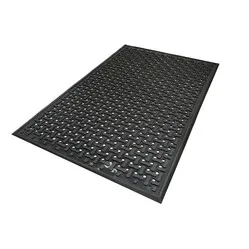
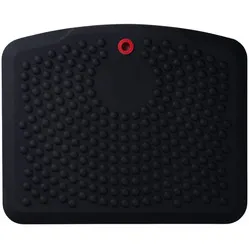
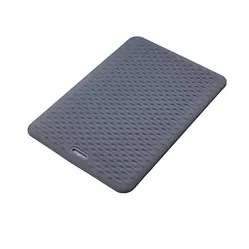
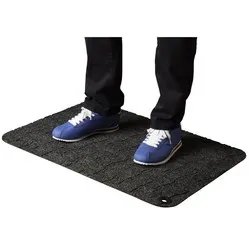


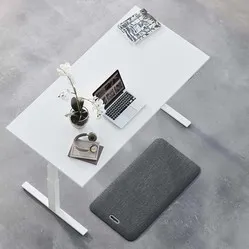
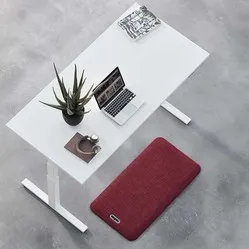
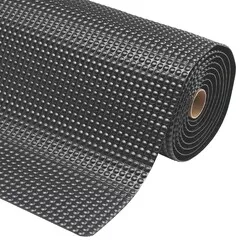
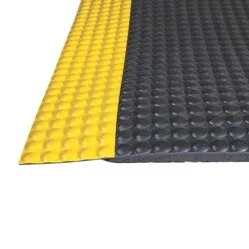
Reviews from our customers about their anti-fatigue mat
Why use an anti-fatigue mat?
Standing for long periods without complaints
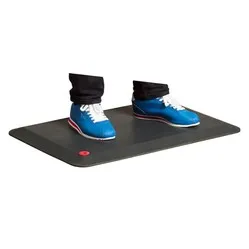
Standing for extended periods on a hard floor can lead to complaints such as tired feet, lower back pain, and stiff legs. An anti-fatigue mat provides slight cushioning, causing your body to make constant small corrections. This keeps muscles active and distributes the load more effectively.
Perfect for sit-stand desks
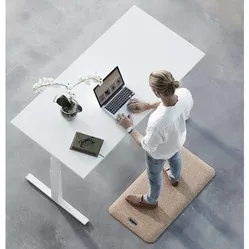
More and more people are working with a sit-stand desk. Standing work is healthier than sitting all day, but without a mat, it can still be strenuous. An anti-fatigue mat makes standing work more comfortable and helps you stand for longer.
Suitable for various workplaces
Anti-fatigue mats are used in many different work environments. For example, in warehouses, workshops, laboratories, shops, and offices. Anywhere employees stand for long periods, an ergonomic mat can help improve comfort and productivity.
5 tips to get the most out of your anti-fatigue mat
- Alternate sitting and standing regularly
Use an anti-fatigue mat as part of a dynamic working posture. Regularly alternate between sitting, standing, and moving.
- Place the mat in the correct workplace
Place the mat where you stand most, for example, at a workbench, counter, or sit-stand desk.
- Wear shoes with good support
The combination of ergonomic shoes and an anti-fatigue mat ensures maximum comfort during work.
- Ensure sufficient room for movement
Don't stand too statically on the mat. Shift your weight occasionally and make small movements.
- Choose a mat that suits your work environment
Extra robust mats are suitable for industrial workplaces, while office environments often opt for more compact ergonomic mats.
What to look for when choosing an anti-fatigue mat?
Not every anti-fatigue mat is the same. When choosing the right mat, it's important to consider the material, thickness, anti-slip properties, and the work environment in which the mat will be used.
Professional mats are often made from durable materials such as polyurethane or high-quality foam. These remain resilient for a long time and offer optimal support while standing.
Additionally, it's important that the mat has bevelled edges to prevent tripping hazards and an anti-slip underside so that it stays firmly in place.
Frequently asked questions about anti-fatigue mats
- What does an anti-fatigue mat do?
An anti-fatigue mat reduces fatigue during prolonged standing. Its springy structure encourages small movements in the muscles, which improves blood circulation and reduces pressure on joints.
- Is an anti-fatigue mat good for a sit-stand desk?
Yes. With a sit-stand desk, an anti-fatigue mat makes standing work more comfortable. This allows you to stand for longer without experiencing discomfort in your feet or legs.
- How thick should an anti-fatigue mat be?
Most ergonomic mats have a thickness between 1 and 3 centimetres. This provides sufficient cushioning without losing stability.
- For which workplaces are anti-fatigue mats suitable?
Anti-fatigue mats are used in warehouses, production environments, shops, laboratories, and offices with sit-stand desks.
- Does an anti-fatigue mat help with back pain?
Yes. By reducing pressure on the feet and joints, an anti-fatigue mat can help reduce back and leg complaints during prolonged standing.