




Ergonomic knee pads

Why do I need knee pads?
Knees are not designed to lean on hard concrete, tiles, or rough surfaces for long periods. If you kneel regularly, pressure quickly builds up. You'll first notice it as a "bit of an ache", and later as "why does climbing stairs feel like I'm 80?".
Knee pads help in two ways: they absorb impact and distribute pressure over a larger surface area. This makes kneeling more comfortable and often more stable, so your working posture is less cramped.
Do you work on your knees a lot? Then knee pads are not an unnecessary luxury. They're simply good tools, but for your body.
| Knee pads | No knee pads | |
|---|---|---|
| Pressure distribution when kneeling | ||
| Cushioning for impacts and edges | ||
| Comfort when working on knees for longer periods | ||
| More stable kneeling (less "wobble") | ||
| Less irritation from friction/rough floor |
What complaints do knee pads help against?
The biggest benefit is almost always one thing: less point pressure on the knee. This makes it easier to kneel in a relaxed way, which in turn reduces "compensatory postures" (crooked hip, rounded back, raised shoulders, you know the drill). Additionally, knee pads reduce the risk of annoying knee injuries and wear and tear.
Knee pads are not a medical treatment, but they can help reduce overuse injuries from kneeling and impacts. Especially if your work or hobby involves a lot of kneeling.
Knees
Kneeling on a hard surface puts a lot of pressure on a small area. A good pair of knee pads distributes that pressure, making your knee less prone to irritation.
Do you often work on rough floors or among tools? Then the impact and cut protection is also an added bonus.
Shins & lower legs
For some tasks, you slide a lot on your knees. This not only puts pressure on the knee but also causes friction on the lower leg.
Models with a good fit and sturdy outer layer help to limit "chafing" and sensitive spots.
Hips & lower back
If kneeling hurts, you automatically sit "differently": crooked, on one knee, or with a curved back. That's logical, but not ideal.
More kneeling comfort often means a more relaxed, stable posture. This can indirectly reduce tension on the hips and lower back.
Knee pads are often chosen by:
Carpenters
Paviours
Gardeners/Landscapers
Construction workers
Installers
Tilers
Mechanics/Fitters
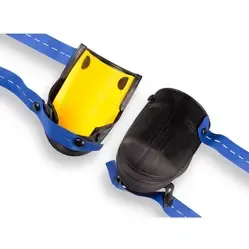
Which knee pads are best depends mainly on: how long you kneel, on what surface, and whether you move/slide a lot. A soft knee pad is often good for comfort. A hard shell is better if you frequently bump or slide.
7 tips to get the most out of your knee pads
- Make sure they don't slip down
If you have to pull up your knee pads all day, they are too loose or incorrectly adjusted. A good fit means comfort plus safety.
- Choose cushioning appropriate for your surface
Hard floor? Then you'll want more cushioning. Lots of debris/rough work? Then a sturdy exterior is more important.
- Pay attention to pressure behind the knee
Straps that pinch behind the knee are a dealbreaker. Adjust them so they fit snugly, but don't restrict your circulation.
- Clean them regularly
Dust, sand, and moisture make material wear out faster and become less comfortable. A quick wipe does wonders.
- Use a kneeling mat if you work in one spot for a long time
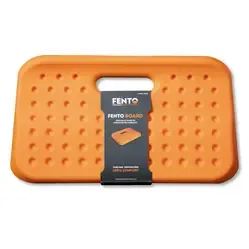
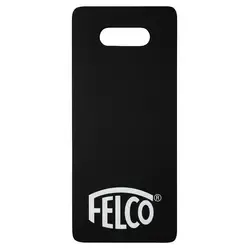
Knee pads are great, but for prolonged kneeling in one spot, a kneeling board can provide extra comfort.
- Check for wear and tear in time
If the cushioning feels "flat" or the exterior wears through, the protection is significantly reduced. Replacing them is smarter than enduring it.
- Vary your posture
Even with protection, variation remains important. Stand up occasionally, stretch your legs, and alternate kneeling periods.
Diversity of knee pads
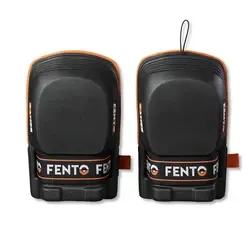
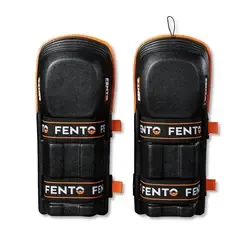
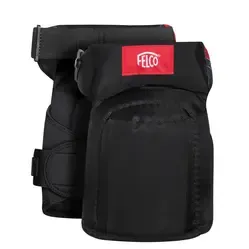
Not every knee is the same, and neither is every job. That's why there are multiple types of knee pads. The main choices usually involve: how you wear them (straps or insert), how sturdy the exterior is, how much cushioning you want, and whether you use them professionally or at home.
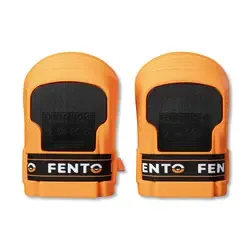
Straps or insert (for work trousers)
With strap system
Quick on/off
Useful if you frequently switch between kneeling and walking. You put them on when you need them, and take them off when you're done.
Do pay attention to the comfort of the straps, especially behind the knee.
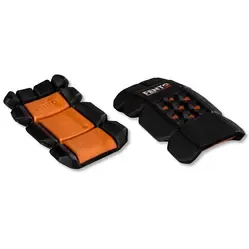
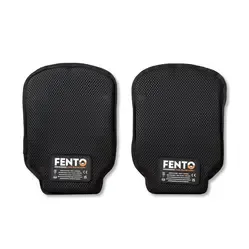
Insert
Always with you
These go into the knee pockets of your work trousers. This means no straps, and they often feel more comfortable.
Important: your work trousers must be suitable for knee pockets.
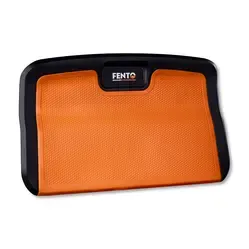
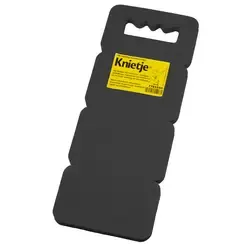
Kneeling board
Comfort in one spot
Do you work mainly statically (e.g., in the garden or during assembly in one spot)? Then a kneeling mat can be extra beneficial.
Not ideal if you have to slide or move around a lot.