




SIT-STAND DESK
FROM JUST 639,-
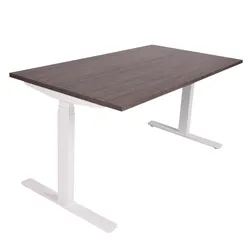
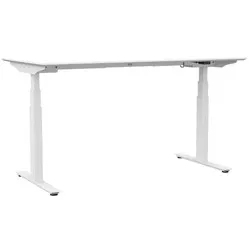
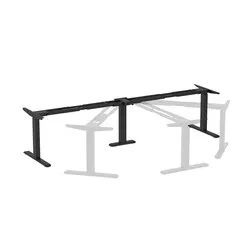
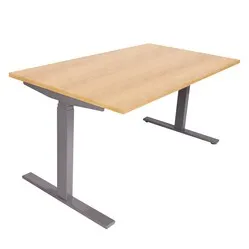
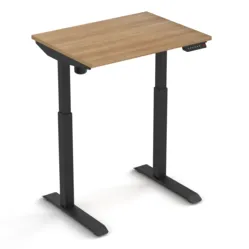
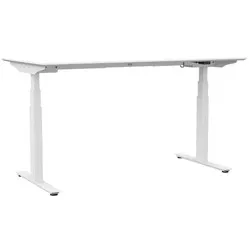
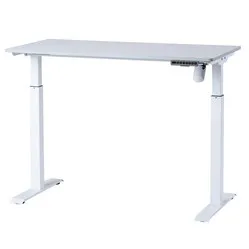
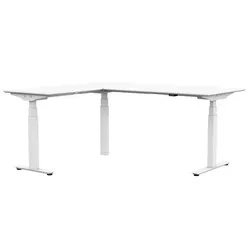
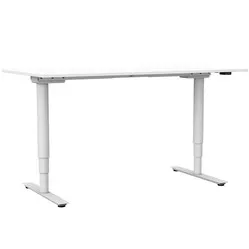
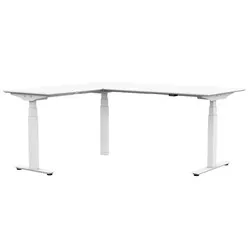
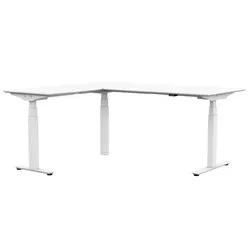
When should you choose a sit-stand desk?
A sit-stand desk is particularly interesting if you work many hours a day at a desk. Many people spend six to eight hours daily sitting in front of a computer. This prolonged sitting posture can put extra strain on the body.
A sit-stand desk makes it possible to regularly change your posture throughout the day. For example, by sitting for a period and then working standing up for a while, your body remains more active.
A sit-stand desk is a good choice when:
- you work several hours a day at a computer
- you want to reduce prolonged sitting
- you want to create an ergonomic workstation
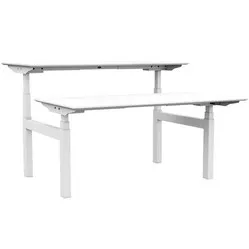
- your workstation is used by multiple people
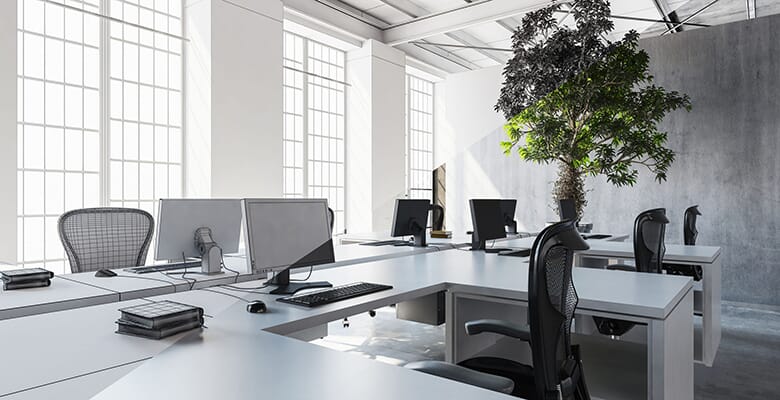
- you work from home or are setting up a modern office workstation
For organisations investing in sustainable workplaces, a sit-stand desk is currently one of the most popular solutions.
Why is a sit-stand desk better than a standard desk?
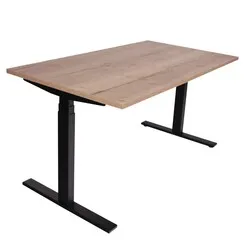
The main difference between a standard desk and a sit-stand desk is the adjustable working height. A traditional desk usually has a fixed height, whereas a sit-stand desk can be adjusted to your body and working posture.
Dynamic working
With a sit-stand desk, you can work dynamically. This means you don't stay in the same posture all day, but regularly switch between sitting and standing. This alternation can help reduce the strain on muscles and joints.
Ergonomically adjustable
An ergonomic workstation starts with the correct working height. A sit-stand desk can be precisely adjusted to your ideal sitting and standing height. This allows you to work more comfortably and prevent poor posture.
Suitable for shared workspaces
In modern offices, workstations are often shared. Because a sit-stand desk is easily adjustable, each user can adapt the desk to their height.
More energy during the workday
Many users find that alternating work provides more energy throughout the day. By standing occasionally, you remain more active and prevent staying in the same posture for long periods.
What complaints can a sit-stand desk help with?
A sit-stand desk can help reduce physical strain during office work. By regularly changing posture, the pressure on certain muscles and joints is less prolonged.
Alternating sitting and standing can contribute to:
- reduced lower back strain
- reduction of neck and shoulder complaints
- a more active working posture
- more variation during the workday
- an ergonomically designed workstation
For a complete ergonomic workstation, a sit-stand desk is often combined with other ergonomic aids such as a monitor arm, an ergonomic office chair, or an ergonomic mouse.
What should you consider when choosing a sit-stand desk?
Not every sit-stand desk is the same. The right choice depends on your workstation, body height, and how intensively the desk is used.
Adjustment range of the desk
A good sit-stand desk has a wide adjustment range so that both short and tall users can work comfortably.
Electric height adjustment
Many sit-stand desks are electrically adjustable. With the push of a button, you can easily set the correct working height.
Stability of the frame
When working standing up, stability is important. A sturdy frame prevents the desk from wobbling while typing.
Size of the desktop
The desktop should offer sufficient space for your monitor, keyboard, and other work tools. This allows you to continue working comfortably.
Memory presets
Some sit-stand desks have memory presets. These allow you to save your favourite sitting and standing heights so you can quickly switch between both positions.
Tips for using a sit-stand desk
- Regularly alternate between sitting and standing
Try to change your working posture every 30 to 60 minutes.
- Set the desk to the correct height
Your elbows should be at approximately a 90-degree angle when typing.
- Ensure your monitor is at eye level
The top of your screen should be approximately at eye level when you are working.
- Use an ergonomic office chair
A good office chair supports your body when you are sitting.
- Keep moving throughout the day
Occasionally walk around or take a short break to keep your body moving.
Frequently asked questions about sit-stand desks
- What is a sit-stand desk?
A sit-stand desk is a desk with adjustable height that allows you to alternate between sitting and standing while working.
- How often should you switch between sitting and standing?
Many ergonomic guidelines recommend changing posture approximately every 30 to 60 minutes.
- Is an electric sit-stand desk better than a manual desk?
Electric sit-stand desks are easier and quicker to adjust, encouraging users to change posture more frequently.
- Is a sit-stand desk suitable for working from home?
Yes, sit-stand desks are very suitable for home workspaces as they help reduce prolonged sitting.
- What is the correct height for a sit-stand desk?
The correct height is when your elbows are bent at approximately 90 degrees and your wrists rest straight on the desk.